Clean money from thin air. How Ukrainian industry is developing environmental projects
For many years, Ukraine ignored environmental problems. Large companies, as part of their projects, regularly address environmental protection issues and save the country from an ecological catastrophe.
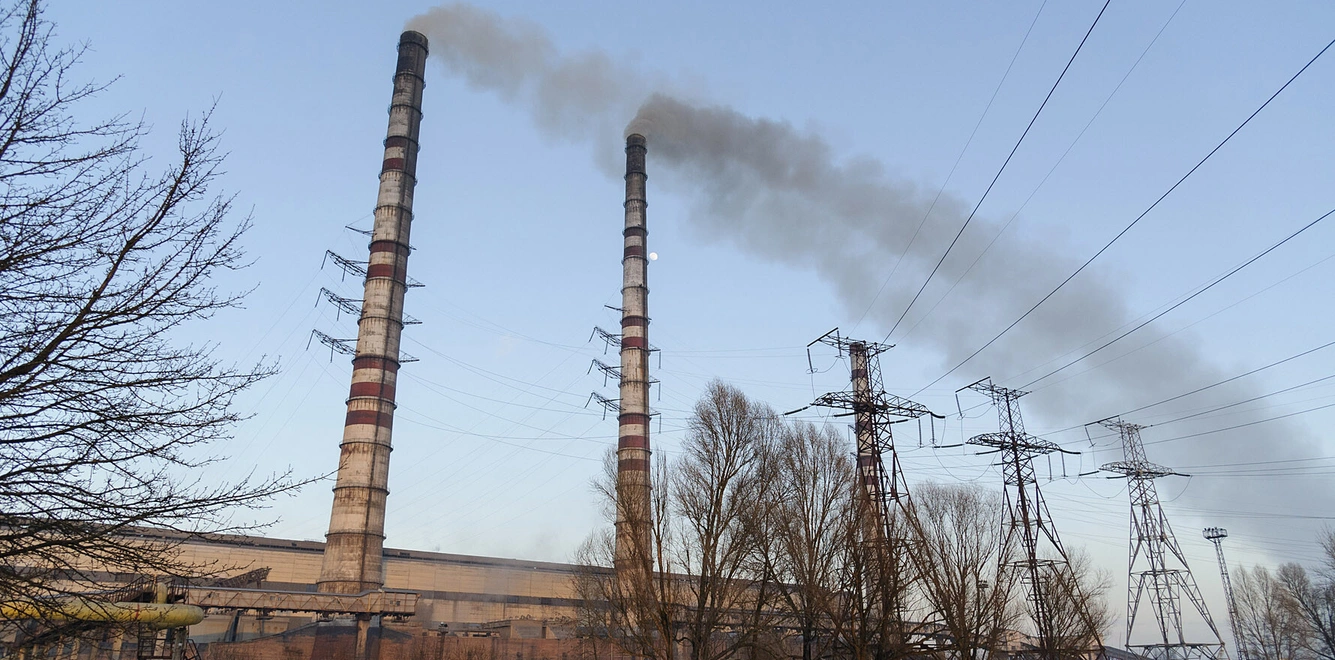
According to WHO estimates, air pollution is the greatest risk to human health. More deadly than military conflicts. Already 92% of the world's population breathes polluted air. Moreover, it is the cause of many cardiovascular diseases, strokes, cancer, and lung diseases. Dirty air claims the lives of 7 million people on the planet every year. Unfortunately, Ukraine is among the countries with the highest mortality rate due to air pollution. Annually, over 14.4 thousand Ukrainians die from causes related to this problem. Establishing the exact sources of pollution is only possible after a thorough analysis, which is aided by a specialized eco-laboratory.
Dnipropetrovsk, Donetsk, Kyiv, Luhansk, and Zaporizhzhia regions suffer the most. The dirtiest cities include Mariupol, Kamianske, Dnipro, Odesa, Kryvyi Rih, and Kyiv. The air in these regions has a high concentration of pollutants: formaldehyde, nitrogen dioxide, phenol, hydrogen fluoride, carbon monoxide, and particulate matter. On average, in Ukraine, the maximum permissible level of formaldehyde pollution is exceeded by 2.3 times, and nitrogen dioxide by 1.5 times.
What's next?
In 2017, Ukraine signed the Association Agreement with the EU, in which one of the key commitments was environmental protection. To this end, the country is obliged to bring its legislation in line with the environmental practices and standards of the European Union. To fulfill its promises, Ukraine adopted the National Plan for the Reduction of Emissions from Large Combustion Plants. According to this plan, by the end of December 2033, "dirty enterprises" will need to reduce emissions of pollutants from thermal power plants with a nominal capacity exceeding 50 MW. In total, there are more than 220 such plants in Ukraine. Most of them are planned to be decommissioned, and others, mainly coal-fired thermal power plants, will undergo modernization. In essence, this involves installing capture filters at harmful enterprises to prevent sulfur dioxide, nitrogen, dust, and particulate matter from entering the atmosphere.
But the key issue, as always, turned out to be money. On the one hand, enterprises that are leaders in air pollution are in private hands. And air purity is a matter of interest to the whole society. Billions of dollars are needed for modernization, which private companies are not in a hurry to invest.
There is another reason: the modernization of production will objectively take years. For example, it takes two to three years to implement one desulfurization unit at a power unit. And to ensure the uninterrupted operation of the Integrated Energy System of Ukraine, no more than five power units can be taken out for reconstruction per year. In total, 88 power units need such modernization.
Billion-dollar investments in production modernization are needed by energy enterprises, chemical, coal, and glass industries. These enterprises have already begun to actively seek a deferral of the implementation of the National Emissions Reduction Plan. And, apparently, the industrial lobby has achieved its first victory. The Verkhovna Rada failed to vote for Bill No. 4167 "On Preventing, Reducing, and Controlling Industrial Pollution." While the bill has been sent for revision, businesses will try to get state compensation for production modernization.
Living and dead water
The first thing that surprises a Ukrainian tourist in Europe is that water can be drunk from the tap there. Ukraine has also committed to gradually approaching the "good water status," which has been the norm in EU countries since 2015. According to this indicator, water in rivers and underground sources must comply with strict standards for 45 chemicals and heavy metals. But in Ukraine, there is still no system for monitoring water pollution even in rivers. Only in 2021, for the first time with the support of OSCE projects and the Global Environment Facility, an assessment of water quality in three major water arteries of the country - the Dnieper, Dniester, and Seversky Donets - was conducted in Ukraine. The results of the Dnieper screening were depressing.
"Screening for 67 thousand pollutants gave us a complete picture of the state of the country's main water artery - the Dnieper River. Pesticides, pharmaceuticals, and heavy metals were found in the water, the concentrations of which often exceed EU environmental quality standards," said Roman Abramovsky, Minister of Environmental Protection and Natural Resources. The dirtiest places were the discharge points of wastewater from municipal enterprises.
The situation is no better in the Northern Donets, which provides 94% of the water to the residents of eastern Ukraine. Dangerous concentrations of the herbicides prometrin and terbuthylazine were found in the water. Experts who conducted the screening attribute this to the uncontrolled use of pesticides in agriculture and violations of agricultural technologies. A large amount of heavy metals was also found in the river. Barium, lithium, non-radioactive strontium, zinc, copper, manganese, and chromium enter
Ukraine has ignored environmental problems for many years. Large companies regularly get involved in environmental protection issues and save the country from an ecological catastrophe as part of their projects.
According to WHO estimates, air pollution is the greatest risk to human health. More deadly than military conflicts. Already 92% of the world's population breathes polluted air. Moreover, it is the cause of many cardiovascular diseases, strokes, cancer, and lung diseases. Dirty air claims the lives of 7 million people on the planet every year. Unfortunately, Ukraine is among the countries with the highest mortality rate due to air pollution. Annually, more than 14.4 thousand Ukrainians die from causes related to this problem.
Dnipropetrovsk, Donetsk, Kyiv, Luhansk, and Zaporizhzhia regions suffer the most. The dirtiest cities include Mariupol, Kamianske, Dnipro, Odesa, Kryvyi Rih, and Kyiv. The air in these regions has a high concentration of pollutants: formaldehyde, nitrogen dioxide, phenol, hydrogen fluoride, carbon monoxide, and particulate matter. On average, in Ukraine, the level of maximum permissible formaldehyde pollution is exceeded by 2.3 times, and nitrogen dioxide by 1.5 times.
What's next?
In 2017, Ukraine signed the Association Agreement with the EU, in which one of the key commitments was environmental protection. For this, the country is obliged to bring its legislation in line with the environmental practices and standards of the European Union. To fulfill its promises, Ukraine adopted the National Plan for the Reduction of Emissions from Large Combustion Plants. According to this plan, by the end of December 2033, "dirty enterprises" will need to reduce emissions of pollutants from thermal power plants with a nominal capacity exceeding 50 MW. In total, there are more than 220 such plants in Ukraine. Most of them are planned to be decommissioned, and others, mainly coal-fired thermal power plants, will undergo modernization. In essence, this involves installing capture filters at harmful enterprises that will prevent sulfur dioxide, nitrogen, dust, and particulate matter from entering the atmosphere.
But the key issue, as always, turned out to be money. On the one hand, enterprises that are leaders in air pollution are privately owned. And clean air is a matter of interest to the entire society. Billions of dollars are needed for modernization, which private companies are not in a hurry to invest.
There is another reason: the modernization of production will objectively take years. For example, it takes two to three years to implement one desulfurization unit at a power unit. And to ensure the uninterrupted operation of the Integrated Energy System of Ukraine, no more than five power units can be taken out for reconstruction per year. In total, 88 power units need such modernization.
Billion-dollar investments in production modernization are needed by energy, chemical, coal, and glass industries. These enterprises have already begun to actively seek a postponement of the implementation of the National Emissions Reduction Plan. And, apparently, the industrial lobby has achieved its first victory. The Verkhovna Rada failed to vote for Bill No. 4167 "On Preventing, Reducing and Controlling Industrial Pollution." While the bill has been sent for revision, businesses will try to get state compensation for production modernization.
Living and dead water
The first thing that surprises a Ukrainian tourist in Europe is that water can be drunk from the tap there. Ukraine has also committed to gradually approaching the "good water status", which has been the norm in EU countries since 2015. According to this indicator, water in rivers and underground sources must comply with strict standards for 45 chemicals and heavy metals. But in Ukraine, there is still no system for monitoring water pollution even in rivers. Only in 2021, for the first time with the support of OSCE and Global Environment Facility projects, water quality was assessed in three major water arteries of the country - the Dnieper, Dniester and Seversky Donets. The results of the Dnieper screening were depressing.
"Screening for 67 thousand pollutants gave us a complete picture of the state of the country's main water artery - the Dnieper River. Pesticides, pharmaceuticals and heavy metals were found in the water, the concentrations of which often exceed the EU environmental quality standards," said Roman Abramovsky, Minister of Environmental Protection and Natural Resources. The dirtiest places were the discharge points of wastewater from utility companies.
The situation is no better in the Siversky Donets, which provides 94% of the water for residents of eastern Ukraine. Dangerous concentrations of the herbicides prometrin and terbuthylazine have been found in the water. Experts who conducted the screening attribute this to the uncontrolled use of pesticides in agriculture and violations of agricultural technologies. A large amount of heavy metals was also found in the river. Barium, lithium, non-radioactive strontium, zinc, copper, manganese, and chromium enter there as a result of the discharge of industrial waste, including mine waters.
Some water purification projects are handled by state bodies with the support of other countries. For example, recently the Ministry for Reintegration of Temporarily Occupied Territories identified locations for the construction of a water purification plant to provide residents of Mariupol with good drinking water. Earlier, for this purpose, a loan agreement was signed between Ukraine and France for $64 million. The project plans include the construction of a drinking water plant using French technologies and the modernization of Mariupol's infrastructure.
Private businesses also invest in treatment facilities. The company "Farmak" invested over €100 thousand in the modernization of treatment facilities at its enterprise in Shostka.
"By increasing production capacities, the company always tries to minimize its impact on the environment. Emissions and discharges are treated with modern methods and appropriate equipment, and all hazardous waste is transferred for disposal to specialized companies. Over the past five years, Farmak has spent UAH 55.5 million on environmental projects," said Natalia Symonets, head of the industrial wastewater treatment section at JSC "Farmak".
Goodbye, plastic
70% of the waste that enters the World Ocean and poisons its inhabitants consists of single-use plastic. Bags, cups, cotton swabs, cocktail straws - the European Union completely abandoned all these plastic products from 2021. Moreover, even the raw materials for manufacturing plastic bottles, which are mandatory sorted in Europe, must contain at least 25% recycled plastic by 2025.
What does our garbage actually consist of? Up to 30% of a Ukrainian's garbage bin consists of plastic, metal, glass, and paper - these types of waste can be recycled, thereby reducing the cost of producing new products and the amount of waste in landfills. Another 37% of garbage consists of organic waste (vegetable and fruit peels), which can be turned into compost. It is precisely this waste that is used as the basis for biogas production. But out of more than 6 thousand landfills in Ukraine, degassing stations are currently installed only on 19.
One should not think that in Europe, garbage is sorted and recycled solely due to the high level of citizen awareness. Garbage recycling is a very expensive process; it is much cheaper to bury garbage in landfills or sell it for recycling to other countries. But high fines quite seriously motivate Europeans to worry about sorting and recycling. For example, in Germany, the fine for violating household waste sorting rules reaches €5 thousand. In Ukraine, there is only a fine for violating household waste disposal rules, and it does not exceed €45. Therefore, only 5% of Ukrainian settlements are covered by the garbage sorting program. By the way, 22% of Ukrainians are not covered by the household waste collection system at all. In other words, they create dumps wherever it is convenient for them, even in protected areas of the Ukrainian Carpathians.
As part of the harmonization of Ukrainian and EU legislation, the National Waste Management Strategy was adopted in 2017. Ukraine has set ambitious goals - to reduce the level of municipal waste burial from 94% to 35% by 2030.
And what now? The country has infrastructure for waste processing. There are 17 enterprises for processing waste paper, 39 enterprises for processing polymers, and 19 for processing PET raw materials. But, unfortunately, the capacities of the latter, for example, are only 65% loaded. To rectify the situation, in 2019, a pilot project was implemented in Kyiv, within which 3.5 thousand containers for separate waste collection were installed in the city. However, this proved to be insufficient. According to the "Kyivkomunservis" enterprise, only 15-20% of separately collected waste was suitable for recycling due to the low quality of sorting by the population.
Socially responsible business turned out to be the leader, leading various waste sorting projects. For example, in 2017, the Ukrpek Coalition, with the support of TetraPak, Sandora, Elopak, Coca-Cola, CanPack, launched a project for separate collection of packaging waste in Vyshhorod. A total of 280 containers were installed in the city. According to the project results, over 300 tons of secondary raw materials were collected in the first year, 422 tons in the second, and 540 tons in the third. This is already about 38% of all packaging waste in Vyshhorod. Over five years, the organizers plan to achieve a waste sorting rate of at least 50%.
Large companies in the country are also actively working with waste and garbage.
"Among the latest innovative projects of our company is the waste-free use of barley. Today, we have organized cullet, PET preforms and plastic, organic matter, and aluminum cans and successfully send them for recycling," said Denys Khrenov, acting general director of "AB InBev Efes Ukraine".
Business will help
Against the background of economic and political problems, environmental problems seem to be not the highest priority. The state constantly lacks money for the implementation of eco-initiatives. However, domestic business successfully implements important eco-projects.
"We have set ambitious goals for 2025: expanding access to modern technologies and solutions for thousands of farmers, ensuring the availability of quality drinking water in regions with its deficit, partnering with suppliers to increase the share of recycled materials in packaging and increasing the consumption of electricity generated from renewable sources," said Denys Khrenov. In his opinion, responsible business conduct, caring for consumers, and solving global problems help the company build a good reputation and maintain consumer loyalty.
The largest industrial enterprises are trying to make a significant contribution to the ecology of production. For example, "ArcelorMittal Kryvyi Rih", located in the small homeland of the current President of Ukraine Volodymyr Zelenskyy, fell out of favor with the head of state back in 2019. At that time, the company promised to implement a number of social initiatives for the city. In particular, the enterprise became the main investor in the construction of a modern oncology center in Kryvyi Rih and undertook obligations to provide patients with medicines. Over the past two years, the plant has undergone repair, reconstruction, and modernization of treatment facilities. Thanks to this, emissions of undifferentiated solid particles decreased by 46 tons/year.
Banks also help companies implement eco-projects. In 2020, Ukrgasbank financed 72 large eco-projects for UAH 2.7 billion.
"Recently, manufacturing companies have shown interest in installing solar power plants for their own consumption (prosumer), and the bank already has a corresponding program for financing such eco-projects," Ukrgasbank noted.
Corporate business is ready to invest in ecology and show by its own example how to make money from air and water, leaving them clean for future generations.