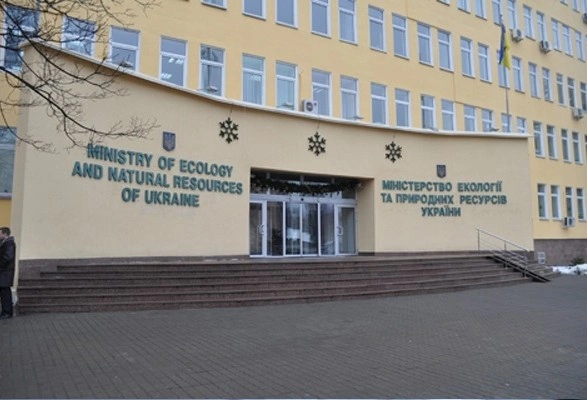
Ministry of Environmental Protection: Without an effective European system of state environmental control in Ukraine, environmental damage will continue to be inflicted with impunity.
The post-Soviet system of state environmental control, which has not changed for decades, the duplication of functions by 8 central executive bodies, and as a result, the existence of a number of corruption schemes, the non-admission of inspectors to enterprises, and a low level of responsibility for environmental offenses. And also legal conflicts in legislation and knowingly losing cases in courts. This is an incomplete list of problems that do not contribute to environmental protection. When will pro-European instruments of state environmental control start working in Ukraine? – this was discussed today at a press conference at IA "UKRINFORM".
According to Olena Kravchenko, executive director of the IBO "Ecology Law Human", 55 thousand people die annually in Ukraine from cardiovascular diseases and oncological diseases due to polluted atmospheric air. This is 94.2 million US dollars in losses for the economy, or 27% of Ukraine's entire GDP. Ukraine ranks 5th in mortality per 100 thousand population.
"Ineffective state control leads to environmental pollution and, as a result, an increase in morbidity and mortality in Ukraine. There are systemic problems that need to be solved at the legislative level," said Roman Shakhamatenko, Deputy Minister of Environmental Protection and Natural Resources of Ukraine.
Draft Law No. 3091 "On State Environmental Control" provides for the creation of a system of effective and efficient environmental control in Ukraine. In particular, the document:
- regulates existing conflicts and legal uncertainties in legislation;
- establishes administrative and economic responsibility of business entities for offenses;
- defines the procedure for conducting inspections not only of business entities, but also of state authorities and local self-government bodies;
- establishes measures for identifying and bringing individuals to justice for environmental offenses;
- clearly outlines the rights and obligations of business entities and inspectors;
- eliminates legislative gaps related to the adoption and use of methods for calculating damages;
- strengthens public control over the activities of inspectors.
- changes the approach to the risk-oriented principle, bringing the largest polluters to a separate fourth level of risk.
"When we completely change the functionality, tools, establish safeguards and clear responsibility, only then will we be able to qualitatively reform the State Environmental Inspectorate and create a truly effective control body. Otherwise, we will not get a result," Roman Shakhamatenko emphasized.
"The reform of environmental control is cross-cutting. Without comprehensive changes in the oversight system, no reform in the areas of waste management, forestry, water resources, and control over industrial pollution will work," said Oleh Bondarenko, head of the Verkhovna Rada of Ukraine Committee on Environmental Policy and Nature Management.